Creation Questions

Tag: Genetics

  • How Created Heterozygosity Explains Genetic Variation

    How Created Heterozygosity Explains Genetic Variation

    A Conceptual Introduction:

    The study of genetics reveals a stunning tapestry of diversity within the living world. While evolutionary theory traditionally attributes this variation to random mutations accumulated over vast stretches of time, a creationist perspective offers a compelling alternative: Created Heterozygosity. This hypothesis proposes that God designed organisms with pre-existing genetic variability, allowing for adaptation and diversification within created kinds. This concept not only aligns with biblical accounts but also provides a more coherent explanation for observed genetic phenomena.

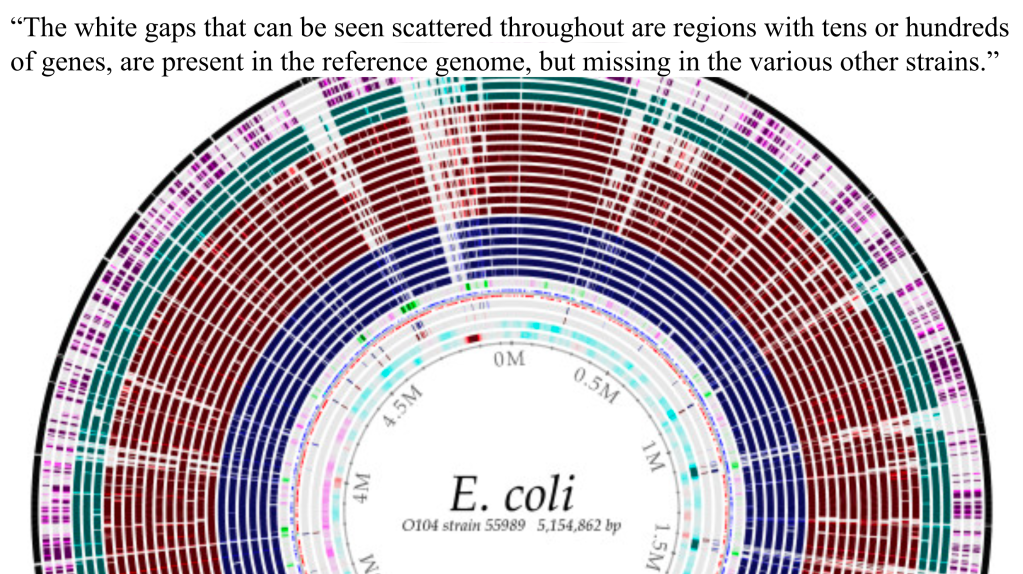
    The evolutionary narrative hinges on the power of mutations to generate novel genetic information. However, the overwhelming evidence points to the deleterious nature of most mutations. This can be seen in the famous Long-Term Evolutionary Experiments with E. coli. Notice, in the graphic below (Hofwegen, 2016), just how much information gets lost due to selection pressures and mutation. This is known as genetic entropy, the gradual degradation of the genome due to accumulated harmful mutations, poses a significant challenge to the idea that random mutations can drive the complexification of life. Furthermore, the sheer number of beneficial mutations required to explain the intricate design of living organisms strains credulity.
    “Genomic DNA sequencing revealed an amplification of the citT and dctA loci and DNA rearrangements to capture a promoter to express CitT, aerobically. These are members of the same class of mutations identified by the LTEE. We conclude that the rarity of the LTEE mutant was an artifact of the experimental conditions and not a unique evolutionary event. No new genetic information (novel gene function) evolved.”

    In contrast, Created Heterozygosity suggests that God, the master engineer, imbued organisms with a pre-programmed potential for variation. Just as human engineers design systems with built-in flexibility, God equipped his creation with the genetic resources necessary to adapt to diverse environments. This concept resonates with the biblical affirmation that God created organisms “according to their kinds,” implying inherent boundaries within which variation can occur. Recent research, such as the ENCODE project and studies on the dark proteome, has revealed an astonishing level of complexity and functionality within the genome, further supporting the idea of a designed system.

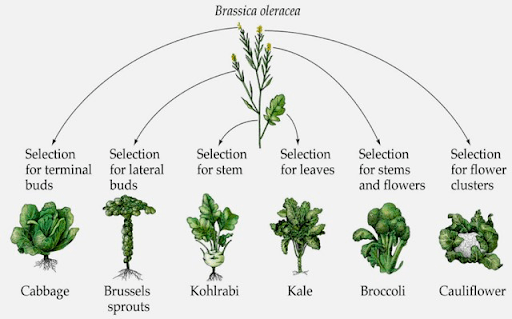
    Baraminology, the study of created kinds, provides empirical support for Created Heterozygosity. The rapid diversification observed within baramins, such as the canid or feline kinds, can be readily explained by the expression of pre-existing genetic information. For example, the diverse array of dog breeds can be traced back to the inherent genetic variability within the canine kind, rather than the accumulation of countless beneficial mutations.

    Of course, objections arise. The role of mutations in adaptation is often cited as evidence against Created Heterozygosity. However, certain mutations may represent the expression of designed backup systems or pre-programmed responses to environmental changes. Moreover, the vast majority of observed genetic variation can be attributed to the shuffling and expression of existing genetic information, rather than the creation of entirely new information.

    The implications for human genetics are profound. Created Heterozygosity elegantly explains the high degree of genetic variation within the human population, while remaining consistent with the biblical account of Adam and Eve as the progenitors of all humanity. Research on Mitochondrial Eve and Y-Chromosome Adam/Noah further supports the idea of a recent, common ancestry for all people.

    In conclusion, Created Heterozygosity provides a compelling framework for understanding genetic variation from a creationist perspective. By acknowledging the limitations of mutation-driven evolution and recognizing the evidence for designed diversity, we can appreciate the intricate wisdom of the Creator and the coherence of the biblical narrative. This concept invites us to explore the vastness of genetic diversity with a renewed sense of awe, recognizing the pre-programmed potential inherent in God’s magnificent creation.

    Citation:

    1. Van Hofwegen, D. J., Hovde, C. J., & Minnich, S. A. (2016). Rapid Evolution of Citrate Utilization by Escherichia coli by Direct Selection Requires citT and dctA. Journal of bacteriology, 198(7), 1022–1034.
  • The Limits of Evolution

    The Limits of Evolution

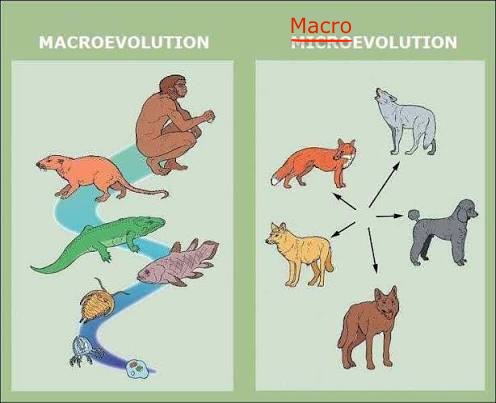
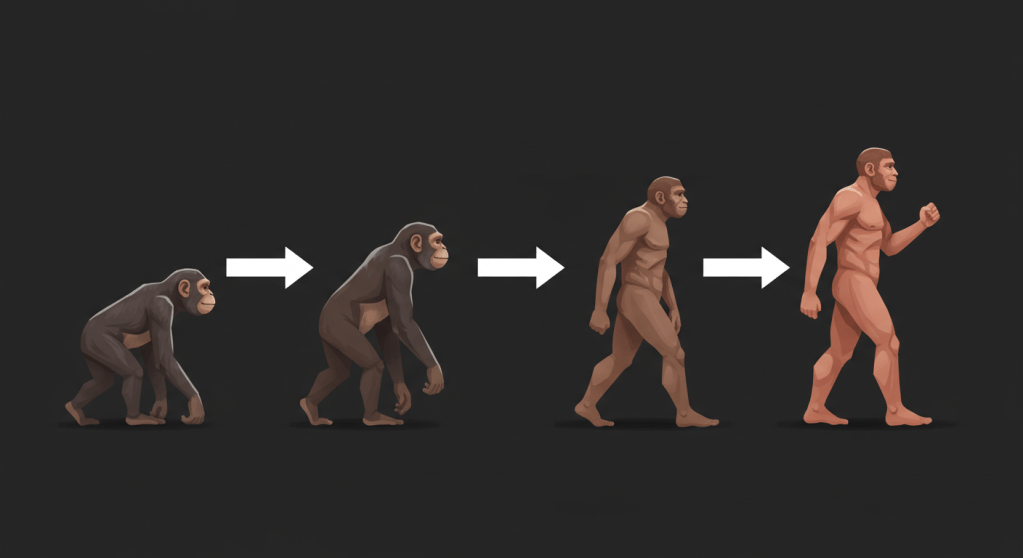
    Yesterday, a presentation by Dr. Rob Stadler took place on Dr. James Tour’s Youtube channel which has brought to light a compelling debate about the true extent of evolutionary capabilities. In their conversation, they delve into the levels of confidence in evolutionary evidence, revealing a stark contrast between observable, high-confidence microevolution and the extrapolated, low-confidence claims of macroevolutionary transitions. This distinction, which is based on the levels of evidence as understood in medical science, raises profound questions about the sufficiency of evolutionary mechanisms to explain the vast diversity of life.

    Dr. Stadler, author of “The Scientific Approach to Evolution,” presents a rigorous framework for evaluating scientific evidence. He outlines six criteria for high-confidence results: repeatability, direct measurability, prospectiveness, unbiasedness, assumption-free methodology, and reasonable claims. Applying these criteria to common evolutionary arguments, such as the fossil record, geographic distribution, vestigial organs, and comparative anatomy, Dr. Stadler reveals significant shortcomings. These lines of evidence, he argues, fall short of the high-confidence threshold. They are not repeatable, they cannot be directly measured, there is very little (if any) of predictive value , and most importantly they rely heavily on biased interpretation and assumption.

    However, the interview also highlights examples of high-confidence evolutionary studies. Experiments with E. coli bacteria, for instance, demonstrate the power of natural selection and mutation to drive small-scale changes within a population. These studies, repeatable and directly measurable, provide compelling evidence for microevolution. Yet, as Dr. Stadler emphasizes, extrapolating these observed changes to explain the origin of complex biological systems or the vast diversity of life is a leap of faith, not a scientific conclusion.

    The genetic differences between humans and chimpanzees further illustrate this point. While popular science often cites a 98% similarity, Dr. Stadler points out the significant differences, particularly in “orphan genes” and the regulatory functions of non-protein-coding DNA. These differences, he argues, challenge the notion of a simple, linear evolutionary progression.

    This aligns with the research of Dr. Douglas Axe, whose early work explored the probability of protein evolution. Axe’s findings suggest that the vast divergence between protein structures makes a common ancestor for all proteins highly improbable (Axe, 2000). This raises critical questions about the likelihood of orphan genes arising through random evolutionary processes alone, given the complexity and specificity of protein function.

    The core argument, as presented by Dr. Tour and Dr. Stadler, is not that evolution is entirely false. Rather, they contend that the high-confidence evidence supports only limited, small-scale changes, or microevolution. The leap to macroevolution, the idea that these small changes can accumulate to produce entirely new biological forms, appears to be a category error, based on our best evidence, and remains a low-confidence extrapolation.

    The video effectively presents case studies of evolution, demonstrating the observed limitations of evolutionary change. This evidence strongly suggests that evolutionary mechanisms are insufficient to account for the levels of diversity we observe today. The complexity of biological systems, the vast genetic differences between species, and the improbability of protein evolution challenge the core tenets of Neo-Darwinism and the Modern Synthesis.

    As Dr. Tour and Dr. Stadler articulate, a clear distinction must be made between observable, repeatable microevolution and the extrapolated, assumption-laden claims of macroevolution. While the former is supported by high-confidence evidence, the latter remains a subject of intense debate, demanding further scientific scrutiny.

    Works Cited

    • Tour, James, and Rob Stadler. “Evolution vs. Evidence: Are We Really 98% Chimp?” YouTube, uploaded by James Tour, https://www.youtube.com/watch?v=smTbYKJcnj8&t=2117s.
    • Axe, Douglas D. “Extreme functional sensitivity to conservative amino acid changes on enzyme exteriors.” Journal of Molecular Biology, vol. 301, no. 3, 2000, pp. 585-595.